
Introduction
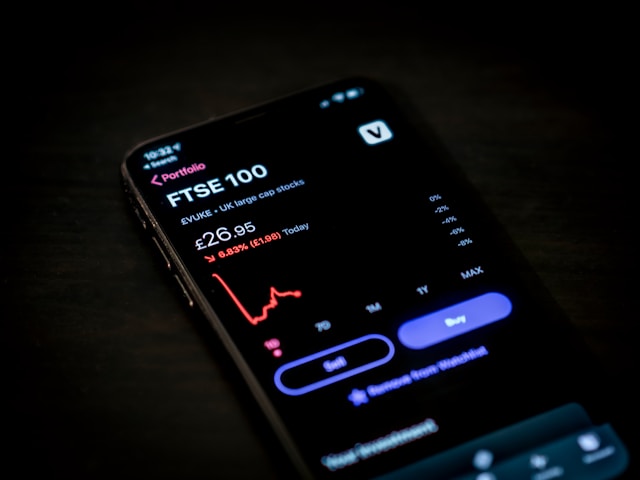
If you've ever watched financial news or read investing articles, you've probably heard someone mention the FTSE 100 Index. It is one of the most important stock market indexes in the world and is often used as a measure of the health of the UK stock market.
But what exactly is the FTSE 100? Why do investors pay attention to it? And can regular people invest in it?
The good news is that understanding the FTSE 100 is much easier than many people think. You don't need a finance degree or years of investing experience to learn the basics.
In this guide, we'll break down everything you need to know about the FTSE 100 Index in simple language. Whether you're a beginner investor or just curious about how stock markets work, this article will help you understand why the FTSE 100 matters and how it affects investors around the world.
What Is the FTSE 100 Index?
The FTSE 100 Index is a stock market index that tracks the performance of the 100 largest companies listed on the London Stock Exchange.
The name "FTSE" is pronounced "Footsie." It comes from the Financial Times and the London Stock Exchange, which originally created the index together.
The FTSE 100 was launched in 1984 and has since become the most widely followed stock market index in the United Kingdom.
Think of it as a scoreboard for the biggest publicly traded companies in the UK. Instead of tracking one company, it tracks 100 major companies across different industries.
Some of the well-known companies that have been part of the FTSE 100 include:
- HSBC
- Shell
- Unilever
- BP
- AstraZeneca
- Barclays
- Lloyds Banking Group
Because these companies are large and influential, their combined performance provides a useful snapshot of the UK stock market.
How Does the FTSE 100 Work?
The FTSE 100 works by measuring the value of its 100 constituent companies.
However, not every company has the same influence on the index.
Companies with larger market capitalizations have a greater impact on the FTSE 100's movements. Market capitalization is simply the total value of a company's shares.
For example, if a very large company experiences a significant increase in its share price, it can push the entire index higher. Likewise, if a large company's stock falls sharply, it may drag the index down.
This means that the FTSE 100 is weighted according to company size rather than giving each company an equal share of influence.
The list of companies in the index is reviewed every quarter. Companies can enter or leave the FTSE 100 depending on their market value.
Why Is the FTSE 100 Important?
The FTSE 100 is important because it serves as a benchmark for investors, analysts, and financial institutions.
Many people view it as a quick indicator of investor confidence in large UK-listed companies.
When the FTSE 100 rises, it often suggests that investors are optimistic about company earnings and economic conditions. When it falls, it may indicate concerns about growth, inflation, interest rates, or global events.
The index is also used by:
- Pension funds
- Investment managers
- Financial advisors
- Individual investors
- Economic analysts
Many investment products are designed to track the FTSE 100, making it a key part of investment portfolios around the world.
Companies Included in the FTSE 100
The FTSE 100 includes companies from many different industries.
These sectors include:
Financial Services
Banks and financial institutions make up a significant portion of the index.
Examples include major banking groups and insurance companies.
Energy
Oil and gas companies have historically played a major role in the FTSE 100.
Energy prices can often influence the performance of the index.
Healthcare
Large pharmaceutical and healthcare companies contribute stability to the index.
These companies often generate revenue from around the world rather than relying solely on the UK economy.
Consumer Goods
Companies that produce household products, food, beverages, and personal care items are also represented.
These businesses often perform relatively well during economic uncertainty because people continue buying everyday necessities.
Technology and Telecommunications
Although technology has a smaller presence compared to some U.S. indexes, the sector continues to grow within the FTSE 100.
FTSE 100 vs FTSE 250
Many new investors confuse the FTSE 100 with the FTSE 250.
The difference is simple.
The FTSE 100 contains the largest 100 companies listed on the London Stock Exchange.
The FTSE 250 contains the next 250 largest companies.
Because FTSE 250 companies are generally smaller, they are often more closely tied to the UK economy.
The FTSE 100, on the other hand, includes many multinational corporations that earn revenue from countries all over the world.
As a result, the FTSE 100 may sometimes perform differently from the broader UK economy.
How Investors Can Invest in the FTSE 100
You cannot directly buy an index.
However, investors can gain exposure to the FTSE 100 through several investment options.
Index Funds
Index funds aim to replicate the performance of the FTSE 100.
These funds hold shares in the companies that make up the index.
Exchange-Traded Funds (ETFs)
FTSE 100 ETFs are among the most popular investment products.
They trade on stock exchanges like regular shares and provide broad market exposure.
Mutual Funds
Some mutual funds focus on large UK companies and may closely track the FTSE 100.
Individual Stocks
Investors can also purchase shares of individual FTSE 100 companies if they prefer to build their own portfolio.
Factors That Affect the FTSE 100
Several factors can influence the movement of the FTSE 100.
These include:
Interest Rates
Changes in interest rates can affect company profits and investor sentiment.
Inflation
Higher inflation can increase business costs and reduce consumer spending.
Economic Growth
Strong economic growth often supports company earnings and stock prices.### Global Events
International events can influence markets because many FTSE 100 companies operate globally.
Currency Movements
The value of the British pound can have a significant impact on FTSE 100 companies that earn revenue overseas.
Advantages of Investing in the FTSE 100
Some benefits include:
- Diversification across many companies
- Exposure to established businesses
- Potential dividend income
- Lower risk compared to investing in a single stock
- Easy access through ETFs and index funds
Risks of Investing in the FTSE 100
No investment is risk-free.
Potential risks include:
- Market volatility
- Economic downturns
- Interest rate changes
- Sector concentration
- Global economic uncertainty
Investors should understand these risks before investing.
Conclusion
The FTSE 100 Index is one of the world's most important stock market benchmarks. It tracks the performance of the 100 largest companies listed on the London Stock Exchange and provides investors with a snapshot of the UK market.
Whether you're interested in investing, building long-term wealth, or simply learning more about financial markets, understanding the FTSE 100 is a valuable first step.
While the index experiences ups and downs like any investment, it remains a popular choice for investors seeking exposure to some of the UK's largest and most established companies. By learning how the FTSE 100 works, you'll be better prepared to make informed investment decisions and understand the forces that drive financial markets.


No comments yet.