
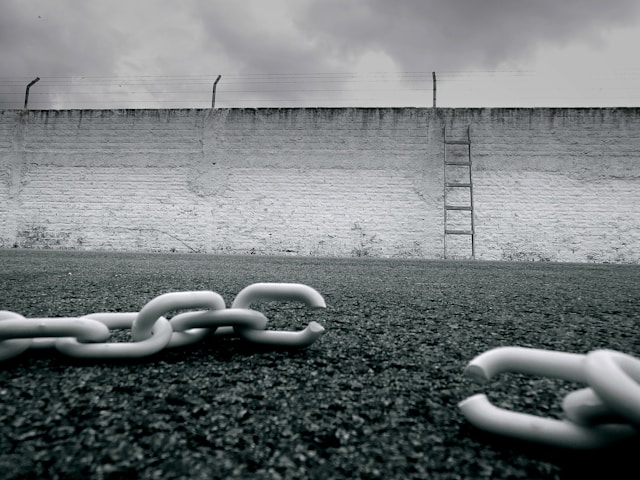
Debt can feel overwhelming, especially when bills continue piling up every month. For many people, monthly debt payments quietly take up a large part of their income, leaving them feeling financially restricted no matter how hard they work. It is easy to feel stressed when a large part of your income goes toward payments instead of personal goals or savings.
The good news is that financial freedom is possible for many people with patience, planning, and consistent habits. Paying off debt does not usually happen overnight, but small changes repeated over time can create meaningful progress.
Financial freedom does not always mean becoming rich. For many people, financial freedom is more about feeling secure, stable, and confident with money than living a luxurious lifestyle.
Understanding Debt
Debt happens when money is borrowed and must be repaid later, often with interest added. Some debt may be manageable when handled responsibly, but too much debt can create long-term financial pressure.
Common types of debt include:
• Credit card debt
• Student loans
• Car loans
• Medical bills
• Personal loans
• Mortgage payments
Many people fall into debt slowly over time through small spending habits, emergencies, or unexpected life situations.
Debt itself does not make someone irresponsible. Financial struggles can happen to anyone. What matters most is learning how to manage money more effectively moving forward.
Why Debt Can Feel Stressful
Debt affects more than just finances. It can also impact mental well-being, relationships, sleep, and overall peace of mind.
People dealing with debt often experience:
• Constant financial worry
• Stress about bills
• Anxiety about emergencies
• Difficulty saving money
• Feeling stuck financially
When debt grows faster than income, it may feel difficult to catch up. This is why having a realistic payoff plan is important.
What Financial Freedom Really Means
Financial freedom looks different for everyone.
For some people, it means:
• Living without credit card debt
• Having emergency savings
• Paying bills comfortably
• Owning a home
• Leaving paycheck-to-paycheck living behind
• Having more freedom to travel or rest
• Feeling less financial stress
Financial freedom is not about perfection. It is about creating stability and having more choices in life.
The First Step: Facing Your Finances Honestly
One of the hardest parts of debt payoff is simply looking at the numbers honestly. Many people avoid checking balances because it feels uncomfortable or stressful.
However, avoiding debt usually increases anxiety over time.
Start by writing down:
• Total debt balances
• Interest rates
• Minimum monthly payments
• Due dates
• Monthly income
• Regular expenses
Seeing the full picture can help you create a realistic plan instead of guessing.
Create a Simple Budget
Creating a budget makes it easier to track how your money is being spent throughout the month. It does not need to be complicated.
A simple budget may include:
• Housing expenses
• Food and groceries
• Transportation
• Savings
• Debt payments
• Utilities
• Personal spending
Managing money wisely does not mean you have to stop enjoying your life completely. A budget is simply a tool that helps you stay organized and intentional with money.
Many people are surprised by how much they spend on small habits that add up over time.
Focus on One Debt Strategy
There are different ways people approach debt payoff. Many people use either the snowball approach or the avalanche approach when working toward paying off debt.
Debt Snowball Method
With this approach, you focus on paying off the smallest debt first while making minimum payments on everything else.
Once the smallest balance is paid off, you move to the next one.
Many people like this method because small wins can build motivation and confidence.
Debt Avalanche Method
With this method, the main focus is clearing debts that have the highest interest charges before the others.
It may save more money on interest over time.
Both methods can work well. The best choice often depends on what keeps you motivated and consistent.
Stop Adding New Debt
Paying off debt becomes much harder when new debt keeps growing.
This does not mean life will suddenly become perfect. Emergencies and unexpected expenses can still happen. However, reducing unnecessary spending can help prevent balances from increasing further.
Before making purchases, it may help to ask:
• Do I truly need this right now?
• Can I afford to pay for it comfortably?
• Will this purchase create more financial stress later?
Small spending decisions repeated daily often have a bigger impact than people realize.
Build Better Spending Habits
Financial freedom is not only about earning more money. Spending habits also matter.
Healthy financial habits may include:
• Comparing prices before buying
• Cooking more meals at home
• Avoiding impulse shopping
• Limiting emotional spending
• Tracking monthly expenses
• Saving small amounts consistently
You do not need to become extremely strict with money. The goal is balance and long-term stability.
Emergency Funds Matter
Unexpected expenses can quickly push people deeper into debt.
Car repairs, medical costs, or job changes can happen at any time. This is why building an emergency fund is important, even during debt payoff.
Starting small is okay.
Even saving a little consistently can help reduce dependence on credit cards during emergencies.
An emergency fund creates breathing room and helps protect financial progress.
Increase Your Income When Possible
While reducing expenses helps, increasing income can also speed up debt payoff.
Some people explore:
• Freelance work
• Side hustles
• Selling digital products
• Extra work hours
• Online businesses
• Part-time jobs
Additional income does not need to be permanent. Even temporary extra income can help reduce balances faster.
Many people use side income specifically for debt payments instead of increasing lifestyle spending.
Avoid Comparing Your Journey to Others
Social media can create pressure to appear financially successful, even when reality looks different behind the scenes.
Some people may seem wealthy while struggling privately with largeamounts of debt.
Financial progress is personal.
Comparing yourself to others may lead to frustration, overspending, or discouragement.
Focusonyour own goals, progress, and long-term stability instead of trying to match someone else’s lifestyle.
Celebrate Small Wins
Debt payoff is a long journey for many people. Waiting until every balance disappears before celebrating progress can feel discouraging.
Small milestones matter.
Celebrate things like:
• Paying off a credit card
• Saving your first emergency fund
• Making consistent payments for several months
• Spending less than usual
• Avoiding unnecessary purchases
Recognizing progress can help you stay motivated during difficult periods.
Learn to Be Patient With Yourself
Many people feel ashamed about debt, but financial mistakes do not define your future.
Learning better money habits takes time.
There may be setbacks along the way. Unexpected expenses or slower progress do not mean failure.
Consistency matters more than perfection.
Improving your financial situation often comes from repeated small actions over time rather than dramatic overnight changes.
Financial Freedom Brings More Than Money
Many people notice emotional benefits as debt decreases.
Financial progress may lead to:
• Less daily stress
• Better sleep
• Improved confidence
• More financial flexibility
• Greater peace of mind
• Reduced anxiety about emergencies
Money problems can affect many areas of life, which is why financial stability often improves emotional well-being too.
Avoid Lifestyle Inflation
As income increases, many people begin spending more automatically.
Buying nicer things occasionally is not necessarily wrong, but constantly increasing spending can make financial progress slower.
Lifestyle inflation happens when expenses rise every time income rises.
Instead of increasing spending immediately, some people choose to:
• Increase savings
• Pay off more debt
• Invest for the future
• Build emergency funds
Finding balance between enjoying life and planning ahead is important.
The Importance of Long-Term Thinking
Financial freedom is usually built slowly through consistent decisions over many months or years.
Quick fixes and shortcuts rarely create lasting stability.
Long-term thinking may include:
• Planning ahead before purchases
• Saving consistently
• Avoiding unnecessary debt
• Living within your means
• Building healthier financial habits gradually
Small decisions today can create major improvements later.
Teaching Yourself Financial Skills
Financial education is one of the most valuable investments you can make.
Learning about budgeting, saving, credit, investing, and debt management can help you make smarter choices over time.
You do not need to know everything immediately.
Even learning one new financial habit at a time can make a difference.
Final Thoughts
Debt payoff and financial freedom are journeys that require patience, discipline, and realistic expectations. Financial progress does not always happen quickly, but consistent habits can slowly improve your situation over time.
You do not need to have a perfect financial life to move forward. Small actions like budgeting, paying down debt consistently, reducing unnecessary spending, and saving little by little can create meaningful change.
Financial freedom is not only about money. It is also about peace of mind, stability, and having more control over your future. Every positive financial decision you make today can help build a stronger tomorrow.


No comments yet.