
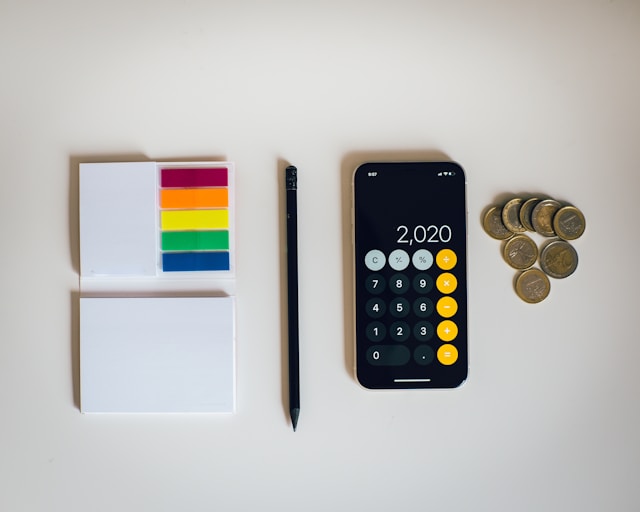
For a long time, self-care was often shown as something luxurious.
Social media made it look like taking care of yourself required expensive skincare products, spa days, luxury vacations, matching workout sets, or perfectly aesthetic routines. Slowly, many people started believing that wellness had to cost a lot of money to “count.”
But recently, something interesting has started happening.
People are moving away from expensive self-care trends and returning to simpler, more realistic habits that actually make everyday life feel better.
And honestly, many people are happier because of it.
The new version of self-care is no longer about trying to look perfect online. It is becoming more about feeling mentally, emotionally, and physically okay in real life.
That shift is changing how people approach wellness completely.
Why People Are Rethinking Self-Care
Life has become exhausting for many people.
Between work stress, rising living costs, social media pressure, constant notifications, and burnout, many people no longer want self-care that feels performative or unrealistic.
Instead, people are craving things that bring genuine comfort.
That is why simple habits are becoming more popular again:
• sleeping properly
• cleaning your space
• drinking enough water
• taking walks
• cooking at home
• resting without guilt
• spending time offline
• creating peaceful routines
These things may sound basic, but they often improve mental wellness more than expensive trends ever did.
Many people are realizing that true self-care is less about appearances and more about how your daily life actually feels.
The Internet Changed What Self-Care Looks Like
A few years ago, social media heavily influenced self-care culture.
Perfect morning routines, luxury wellness products, expensive gym memberships, and flawless lifestyles filled people’s feeds daily. While some of that content was inspiring, it also made self-care feel overwhelming and expensive.
Now online culture is slowly shifting.
People are becoming more interested in realistic routines instead of impossible perfection.
Videos about:
• cozy evenings at home
• quiet morning routines
• cleaning and organizing
• grocery shopping
• journaling
• reading books
• low-cost hobbies
• peaceful home spaces
are gaining millions of views because they feel relatable and calming.
The internet became so overstimulating that simplicity started feeling refreshing.
Rest Is Finally Being Taken Seriously
One of the biggest changes happening right now is how people view rest.
For years, hustle culture convinced many people that being constantly busy was something to admire. Rest often felt like laziness.
But burnout changed that conversation.
Many people reached a point where they felt emotionally exhausted from constantly working, multitasking, scrolling, and staying mentally active all day long.
Now people are understanding something important:
rest is productive too.
Getting enough sleep, slowing down, taking breaks, and protecting mental energy are becoming normal parts of wellness routines.
And unlike costly wellness trends, rest is a basic need that every person should be able to enjoy.
Self-Care Is Becoming More Emotional
The old version of self-care often focused heavily on appearance.
The new version focuses more on emotional well-being.
People are beginning to ask themselves questions like:
• Do I feel mentally okay?
• Am I constantly overwhelmed?
• Do I actually enjoy my routine?
• Am I emotionally exhausted?
• Do I ever allow myself to rest?
This emotional approach to self-care is helping people build healthier habits that go deeper than surface-level aesthetics.
Sometimes self-care now looks like:
• saying no
• leaving stressful environments
• taking a social media break
• setting boundaries
• spending time alone
• asking for help
• going to therapy
• protecting your peace
These choices may not always look glamorous online, but they often improve life far more than expensive products.
Cozy Living Became the New Luxury
One reason simple self-care trends are growing is because people are romanticizing comfort again.
Cozy homes, soft lighting, homemade meals, fresh sheets, candles, clean spaces, and quiet evenings have become more appealing than constant chaos.
People are realizing that peace itself feels luxurious.
You do not need a massive house or expensive decorations to create a calming environment. Even small changes can make home feel more relaxing:
• opening windows for fresh air
• reducing clutter
• adding warm lighting
• creating quiet corners
• keeping spaces clean and comfortable
Sometimes the most powerful form of self-care is simply creating a space where your mind can breathe.
Offline Hobbies Are Returning
Another major shift is the return of slower offline hobbies.
Many people are spending less time constantly consuming content online and more time doing activities that feel grounding.
Things becoming popular again include:
• reading
• baking
• gardening
• journaling
• painting
• walking
• puzzles
• cooking
• crafting
These hobbies are calming because they slow the mind down naturally.
Unlike endless scrolling, offline activities often leave people feeling refreshed instead of mentally drained.
Simple Routines Are Winning
People are starting to prefer routines that feel realistic and easy to keep up with every day.
That is why realistic self-care habits are becoming more attractive than complicated wellness trends.
A simple routine often works better because it is easier to continue consistently.
For example:
• drinking water in the morning
• taking a short walk
• stretching for a few minutes
• sleeping earlier
• putting your phone away before bed
• eating balanced meals
• cleaning your room gradually
These small habits may seem ordinary, but over time they improve mood, focus, energy, and mental clarity.
The easier something feels, the more likely people are to stick with it.
Mental Wellness Is Part of Self-Care Now
Mental wellness is becoming one of the biggest parts of modern self-care.
People are paying more attention to:
• burnout
• overstimulation
• anxiety
• emotional exhaustion
• stress management
• boundaries
This shift is helping people understand that self-care is not only about physical appearance.
You can have perfect skincare and still feel emotionally drained.
That is why many people now prioritize:
• peace• emotional balance
• quiet routines
• slower living
• healthy relationships
• reducedstress
Mental wellness conversations are becoming much more open than they were years ago.
People Are Spending More Carefully
Rising living costs have also influenced self-care trends.
Many people simply cannot afford expensive wellness lifestyles anymore — and honestly, many no longer want them either.
Instead of constantly buying products, people are focusing more on habits that improve life without requiring huge amounts of money.
Free or low-cost self-care now includes:
• walking outside
• sleeping properly
• spending time with loved ones
• listening to music
• cleaning your space
• resting
• drinking water
• cooking at home
• taking social media breaks
These habits may sound simple, but they genuinely support emotional and physical well-being.
The “Soft Life” Trend Changed Wellness Culture
The rise of “soft life” culture also influenced modern self-care.
Many people became tired of constantly struggling, overworking, and pushing themselves to exhaustion. The soft life trend encouraged people to create calmer, gentler lifestyles focused on peace and balance.
For many, this means:
• choosing rest
• avoiding unnecessary stress
• protecting mental health
• slowing down
• creating peaceful routines
• letting go of constant pressure
The idea became especially popular online because so many people related to feeling overwhelmed.
Social Media Is Becoming Less Perfect
Another reason self-care feels more realistic now is because people are becoming tired of perfection online.
Highly edited lifestyles no longer connect with audiences the same way they used to.
Many people now prefer relatable content:
• messy rooms
• realistic routines
• emotional honesty
• low-energy days
• imperfect mornings
• cozy everyday moments
This shift makes wellness feel more achievable and human.
People are finally understanding that taking care of yourself does not require having a perfect life.
Self-Care Is Different for Everyone
One important thing the internet is slowly learning is that self-care is personal.
What helps one person relax may not help someone else.
For some people, self-care means:
• spending time alone
• reading quietly
• staying offline
For others, it may mean:
• going out with friends
• exercising
• traveling
• being creative
The important thing is finding habits that genuinely support your mental and emotional well-being instead of following trends that do not actually help you.
Why Simple Self-Care Feels More Sustainable
Expensive routines often become difficult to maintain.
But simple habits usually fit naturally into everyday life.
That is why low-pressure wellness routines are becoming more sustainable long term. People are focusing less on doing everything perfectly and more on creating routines that feel calming and realistic.
Sometimes small consistent habits improve life more than dramatic changes.
Final Thoughts
The new self-care trend looks very different from what people once expected.
It is quieter, slower, simpler, and more realistic.
Instead of chasing perfection, many people are choosing routines that help them feel emotionally balanced, mentally rested, and physically cared for in everyday life.
And maybe that is why this shift feels so refreshing.
People are starting to realize that self-care does not need to be expensive to matter.
Sometimes the most meaningful forms of self-care are the simplest ones:
• getting enough sleep
• resting when you are tired
• creating peaceful spaces
• taking breaks from noise
• eating properly
• spending time offline
• protecting your mental health
These habits may not always look glamorous online, but they often create the kind of peace people have been searching for all along.
Because at the end of the day, self-care is not really about luxury.
It is about feeling okay inside your own life.
No comments yet.