
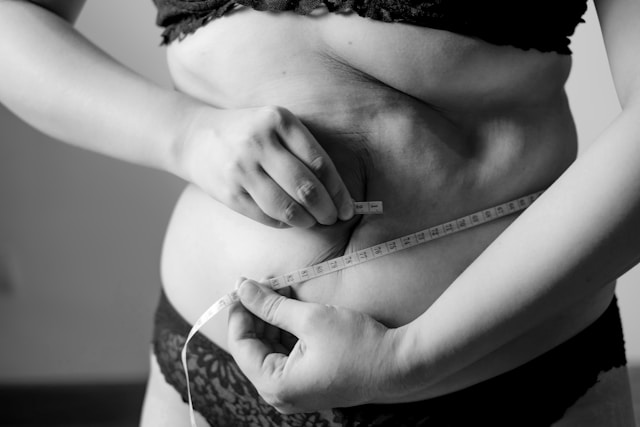
Many people focus on food and exercise when trying to stay healthy or manage their weight. While those things are important, sleep also plays a bigger role than most people realize.
Not getting enough sleep can affect your energy, mood, eating habits, and even the way your body stores fat. Over time, poor sleep can make it harder to maintain a healthy lifestyle.
The good news is that improving your sleep habits does not have to be complicated. Small changes can help support both your health and overall well-being.
How Sleep Affects Your Body
Your body continues working and recovering while you sleep each night. Sleep helps your body recover, recharge, and regulate important functions.
When you consistently do not get enough rest, your body may start reacting in ways that affect your appetite, cravings, and energy levels.
You may notice:
• Feeling tired throughout the day
• Craving sugary or unhealthy foods
• Having less motivation to exercise
• Feeling more stressed or emotional
Over time, these unhealthy patterns may make it easier to gain weight.
Lack of Sleep Can Increase Hunger
One reason sleep and weight gain are connected is because sleep affects hunger hormones.
When you do not sleep enough, your body may produce more of the hormone that increases hunger while lowering the hormone that helps you feel full.
This can lead to:
• Late-night snacking
• Increased cravings
• Overeating during the day
• Constant feelings of hunger
Many people notice they eat more when they are tired, especially comfort foods or sugary snacks.
Low Energy Can Reduce Physical Activity
Poor sleep often leaves people feeling exhausted and unmotivated.
When your body feels tired, exercising or staying active can feel much harder. You may be more likely to skip workouts, avoid movement, or spend more time sitting down.
Even small amounts of daily movement are important for overall health, so low energy from poor sleep can slowly affect your routine.
Sleep and Stress Are Connected
Lack of sleep can also increase stress levels.
When people feel stressed or overwhelmed, they may turn to emotional eating or unhealthy comfort foods. Stress can also make it harder to relax and sleep properly, creating a cycle that affects both health and weight.
Protecting your mental well-being is an important part of maintaining healthy habits too.
Late-Night Habits Can Add Extra Calories
Staying awake late at night often leads to extra snacking.
Many people eat more processed snacks, fast food, or sugary drinks when they are tired or bored late at night. These extra calories can add up over time without people realizing it.
Getting enough sleep may help reduce unnecessary late-night eating.
Sleep Helps Support Better Decision-Making
When you are well-rested, it is often easier to make healthier choices.
You may have more energy to:
• Prepare healthier meals
• Stay active
• Drink enough water
• Focus better during the day
• Manage stress more calmly
Poor sleep can make healthy habits feel more difficult.
Simple Ways to Improve Sleep
Improving your sleep routine does not need to be perfect. Simple daily habits can gradually lead to positive changes in your health and well-being.
Here are a few simple tips that may help:
Keep a Consistent Sleep Schedule
Trying to sleep and wake up around the same time each day can help your body build a healthier routine.
Reduce Screen Time Before Bed
Too much phone or screen time before sleeping can make it harder for your brain to relax.
Try putting your phone away a little earlier at night when possible.
Create a Relaxing Night Routine
Creating relaxing bedtime habits may help your body unwind and sleep better at night.
You can try:
• Reading a book
• Taking a warm shower
• Listening to calming music
• Stretching gently
Avoid Too Much Caffeine Late in the Day
Coffee, energy drinks, and some sodas can affect sleep if consumed too close to bedtime.
Make Your Sleeping Space Comfortable
A cool, quiet, and comfortable room may help you sleep better.
Even small changes to your environment can make a difference.
Healthy Living Is About Balance
It is important to remember that weight gain is affected by many different factors, including lifestyle, stress, activity levels, eating habits, and overall health.
Sleep is simply one important part of the bigger picture.
Instead of aiming for perfection, focus on building healthier habits step by step. Small improvements in sleep, movement, and nutrition can support your overall well-being over time.
Final Thoughts
The connection between sleep and weight gain is something many people overlook. Not getting enough rest can affect hunger, cravings, energy levels, stress, and daily habits.
The good news is that improving your sleep routine does not have to be expensive or complicated.
Simple habits like getting enough rest, reducing late-night screen time, and keeping a regular sleep schedule can help support both your physical and mental health.
Prioritizing good sleep is an important part of caring for your overall health and well-being.

No comments yet.