
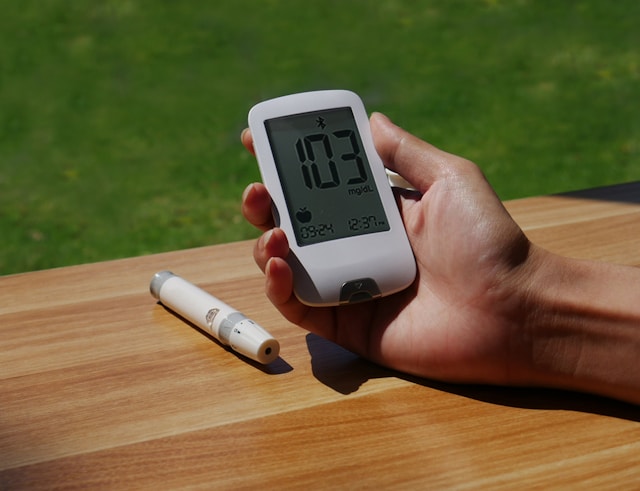
High blood sugar has become a common health concern for many people. Whether you have diabetes, prediabetes, or simply want to maintain healthy blood sugar levels, making a few natural lifestyle changes can make a big difference.
The good news is that you don’t always need complicated routines to manage blood sugar. Simple daily habits such as eating healthier foods, staying active, drinking enough water, and managing stress can help keep your blood sugar under control.
In this guide, you’ll learn practical and natural ways to reduce body sugar and improve your overall health.
What Is Blood Sugar?
Blood glucose, commonly known as blood sugar, is the sugar carried in your blood that helps fuel your body’s daily activities . Your body gets glucose from the foods you eat, especially carbohydrates.
Glucose serves as the body’s main energy source, helping you stay active and alert . However, when blood sugar levels become too high for long periods, it can lead to health problems such as:
• Type 2 diabetes
• Heart disease
• Kidney damage
• Vision problems
• Nerve damage
That’s why maintaining healthy blood sugar levels is important.
1. Cut Back on Sugary Foods and Drinks
One of the fastest ways to reduce body sugar naturally is to reduce your intake of sugary foods and beverages.
Foods and drinks that can raise blood sugar quickly include:
• Soft drinks
• Energy drinks
• Sweetened fruit juices
• Candy
• Cakes and pastries
• Ice cream
• Sugary breakfast cereals
Instead, choose healthier options such as:
• Water
• Unsweetened tea
• Fresh vegetables
• Whole fruits in moderation
• Nuts and seeds
Reducing added sugar helps prevent sudden spikes in blood glucose levels.
2. Eat More Fiber-Rich Foods
Fiber slows down the absorption of sugar into the bloodstream. This helps keep blood sugar levels more stable throughout the day.
Good sources of fiber include:
• Beans
• Lentils
• Oats
• Brown rice
• Whole grains
• Vegetables
• Apples
• Pears
Try adding more vegetables and whole foods to your meals. Fiber also helps improve digestion and keeps you feeling full longer.
3. Stay Physically Active
Exercise is one of the most effective natural ways to lower blood sugar.
When you move your body, your muscles use glucose for energy. This helps reduce the amount of sugar circulating in your bloodstream.
Simple activities include:
• Walking
• Jogging
• Cycling
• Swimming
• Dancing
• Gardening
Aim for at least 30 minutes of moderate exercise most days of the week.
Even a short walk after meals can help reduce blood sugar spikes.
4. Drink Plenty of Water
Water plays an important role in regulating blood sugar levels.
When you stay hydrated, your body can more efficiently remove excess sugar through urine. It also prevents dehydration, which can make blood sugar levels rise.
Tips to stay hydrated:
• Carry a water bottle
• Drink water throughout the day
• Replace sugary drinks with water
• Drink water before meals
Most adults should aim to drink several glasses of water daily, depending on activity level and weather conditions.
5. Choose Healthy Carbohydrates
Not all carbohydrates are the same.
Refined carbohydrates are digested quickly and can cause blood sugar spikes. Examples include:
• White bread
• White rice
• Cookies
• Cakes
• Sugary snacks
Healthier carbohydrate choices include:
• Brown rice
• Whole wheat bread
• Oats
• Sweet potatoes
• Beans
• Quinoa
These foods release sugar more slowly into the bloodstream and help maintain steady energy levels.
6. Maintain a Healthy Weight
Being overweight can increase the risk of high blood sugar and insulin resistance.
Losing even a small amount of excess weight may help improve blood sugar control.
Healthy ways to manage weight include:
• Eating balanced meals
• Reducing portion sizes
• Exercising regularly
• Limiting processed foods
• Getting enough sleep
Focus on gradual and sustainable changes rather than quick-fix diets.
7. Get Enough Quality Sleep
Poor sleep can affect hormones that regulate blood sugar.
People who regularly sleep too little may experience:
• Increased hunger
• Higher blood sugar levels
• Reduced insulin sensitivity
• Weight gain
Getting between 7 and 9 hours of sleep each night is recommended for most adults.
To improve sleep quality:
• Maintain a consistent bedtime
• Avoid screens before bed
• Keep your bedroom cool and quiet
• Limit caffeine late in the day
8. Manage Stress Levels
Stress signals the body to release hormones that may lead to higher blood glucose levels.
Long-term stress may make blood sugar management more difficult.
Healthy ways to reduce stress include:
• Deep breathing exercises
• Meditation
• Prayer
• Walking outdoors
• Listening to music
• Spending time with loved ones
Taking care of your mental health can benefit your physical health as well.
9. Eat More Protein
Protein can help stabilize blood sugar and reduce cravings.
Healthy protein sources include:
• Fish
• Chicken
• Eggs
• Beans
• Lentils
• Greek yogurt
• Nuts
• Tofu
Including protein in your meals may help you feel full longer and prevent overeating.
10. Avoid Frequent Snacking
Constant snacking can lead to repeated increases in blood sugar levels throughout the day.
Instead of eating continuously:
• Stick to regular meal times
• Choose balanced meals
• Drink water when you’re not sure if you’re hungry
• Select healthy snacks only when necessary
This allows your body more time to process glucose efficiently.
11. Add Cinnamon to Your Diet
Some studies suggest that cinnamon may help improve insulin sensitivity and support blood sugar control.
You can add cinnamon to:
• Oatmeal
• Smoothies
• Tea
• Yogurt
While cinnamon is not a cure, it may be a useful addition to a healthy diet.
12. Eat Portion Sizes That Match Your Needs
Even healthy foods can raise blood sugar if consumed in very large amounts.
Portion control canhelp prevent overeating and maintain stable glucose levels.
Helpful tips include:
• Use smaller plates
• Eat slowly
• Pay attentionto hunger signals
• Avoid eating while distracted
Being mindful of portion sizes can make a noticeable difference over time.
13. Include Healthy Fats in Your Meals
Healthy fats can help slow digestion and reduce blood sugar spikes after meals.
Examples include:
• Avocados
• Olive oil
• Nuts
• Seeds
• Fatty fish
These foods can also support heart health and provide long-lasting energy.
Foods That May Help Lower Blood Sugar Naturally
Some foods are especially helpful for maintaining healthy blood sugar levels:
• Leafy green vegetables
• Broccoli
• Okra
• Beans
• Oats
• Nuts
• Chia seeds
• Avocados
• Eggs
• Fish
Eating a variety of these foods regularly can support better blood sugar management.
When to See a Doctor
Natural methods can help many people improve their blood sugar levels, but medical advice is important if you experience symptoms such as:
• Excessive thirst
• Frequent urination
• Blurred vision
• Unexplained weight loss
• Constant fatigue
A healthcare professional can perform tests and recommend the best treatment plan if needed.
Final Thoughts
Reducing body sugar naturally is often about making small, consistent lifestyle changes. Eating less sugar, exercising regularly, drinking enough water, getting quality sleep, managing stress, and choosing healthier foods can all help improve blood sugar control.
The key is consistency. Healthy habits practiced every day can lead to better blood sugar levels, improved energy, and long-term health benefits.
Start with one or two changes today, and gradually build healthier routines that you can maintain for years to come.


No comments yet.