
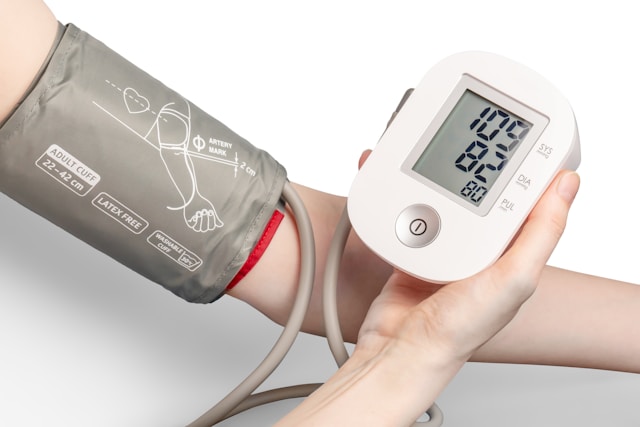
Checking your blood pressure at home is one of the easiest ways to monitor your health and prevent serious conditions like hypertension, stroke, and diabetes
heart disease. Many people think it’s complicated, but with the right device and method, you can do it correctly in just a few minutes.
In this guide, you’ll learn how to check blood pressure at home, the correct steps to follow, common mistakes to avoid, and how to understand your results.
Why Checking Blood Pressure at Home Is Important
High blood pressure (hypertension) is often called a “silent killer” because it usually has no clear symptoms until it becomes serious. That’s why regular monitoring is very important.
Checking it at home helps you:
• Track your health regularly
• Detect early signs of hypertension
• Avoid unnecessary hospital visits
• Monitor how medications are working
• Reduce health risks over time
For many people, home monitoring gives a more accurate picture than a single hospital reading.
What You Need to Check Blood Pressure at Home
Before you start, you need the right equipment. The first thing you’ll need is a reliable digital blood pressure monitor.
Types of blood pressure monitors:
• Upper arm monitor (most accurate)
• Wrist monitor (portable but less accurate)
Recommended features:
• Automatic inflation
• Easy-to-read screen
• Memory storage for previous readings
• Adjustable cuff size
Most experts recommend upper arm monitors for better accuracy in home use.
Best Time to Check Your Blood Pressure
Timing matters a lot when checking blood pressure.
The best times are:
• Early morning (before breakfast)
• Evening (before dinner or bedtime)
Avoid checking:
• Right after eating
• After exercise
• When stressed or angry
• After drinking coffee or smoking
For accurate results, try to check at the same time every day.
How to Prepare Before Taking a Reading
Before you check your blood pressure, you need to prepare your body properly.
Follow these steps:
• Sit quietly for at least 5 minutes
• Avoid talking during measurement
• Empty your bladder if needed
• Sit with your back supported
• Keep your feet flat on the floor
Relaxing before the test helps avoid false high readings.
Step-by-Step: How to Check Blood Pressure at Home
Now let’s go through the correct process step by step.
Step 1: Sit in the correct position
Sit on a chair with:
• Your back supported
• Feet flat on the ground
• Arm resting on a table
Your arm should be resting at heart level for accurate results.
Step 2: Put the cuff on your arm
Wrap the cuff around your upper arm:
• About 1 inch above your elbow
• Snug but not too tight
• Directly on bare skin (not over clothes)
A wrong cuff position can give inaccurate results.
Step 3: Turn on the device
Press the start button on your monitor.
The cuff will:
• Inflate automatically
• Tighten around your arm
• Slowly release pressure
Try to stay still and quiet during this process.
Step 4: Wait for the reading
After a few seconds, the monitor will display your results.
You will see two numbers:
• Systolic pressure (top number)
• Diastolic pressure (bottom number)
Example: 120/80 mmHg
Step 5: Record your result
Write it down or save it in the device memory.
Include:
• Date
• Time
• Reading value
This helps you track changes over time.
Understanding Your Blood Pressure Reading
Here’s how to understand your results:
Normal blood pressure• Below 120/80 mmHg
Elevated blood pressure• 120–129 / below 80
High blood pressure (Stage 1)
High blood pressure (Stage 2)• 140+/ 90
Danger zone
• 180/120 or higher (seek medical attention immediately)
Common Mistakes to Avoid
Many people get wrong readings because of simple mistakes.
Avoid these errors:
• Talking during measurement
• Moving your arm
• Using the wrong cuff size
• Drinking coffee before testing
• Checking immediately after exercise
• Wearing tight clothing on arm
Even small mistakes can change your results.
How Often Should You Check Your Blood Pressure?
It depends on your health condition:
If you are healthy:
• 2–3 times per week is enough
If you have high blood pressure:
• Depending on your health needs, a healthcare professional may recommend checking it once or twice a day.
If you are on medication:
• Follow your doctor’s instructions strictly
Consistency is more important than frequency.
Tips for More Accurate Readings
Here are simple tips to improve accuracy:
• Use the same arm every time
• Check at the same time daily
• Sit in the same position
• Rest before measuring
• Take 2–3 readings and average them
These habits give more reliable results.
Lifestyle Tips to Control Blood Pressure
Checking your blood pressure is important, but controlling it is even better.
Healthy habits include:
• Reducing salt intake
• Drinking enough water
• Regular exercise (walking, jogging)
• Eating fruits and vegetables
• Avoiding smoking and alcohol
• Managing stress
Small lifestyle changes can make a big difference.
When to See a Doctor
You should see a doctor if:
• Your readings are consistently high
• You experience chest pain or dizziness
• Your blood pressure is above 180/120
• Medication is not working properly
Never ignore repeated high readings.
Learning how to check blood pressure at home is a simple but powerful skill that can help you protect your health. A reliable monitor and proper measurement techniques make it easier to track your blood pressure and detect changes over time.
Consistency is the most important factor. Regular checks help you better understand your body and overall health.


No comments yet.