
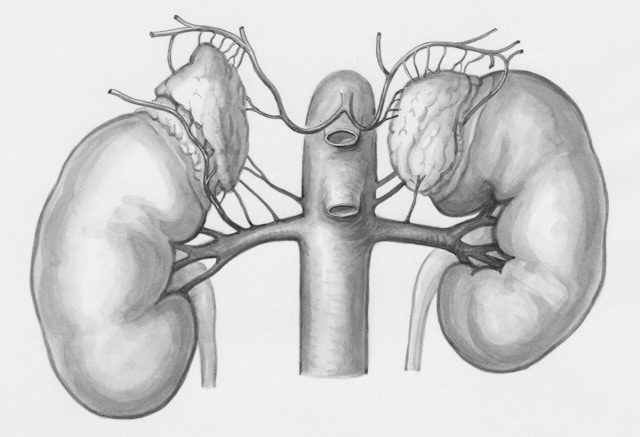
Kidney stones affect millions of people worldwide and can lead to severe pain, discomfort, and urinary problems. They develop when minerals and salts build up inside the kidneys and form hard deposits. While most people associate kidney stones with severe back pain, painful urination, and nausea, many also wonder: Can kidney stones cause constipation?
The short answer is yes, kidney stones can sometimes be linked to constipation, although constipation is not usually considered a direct symptom of kidney stones. Several factors related to kidney stones, including pain, dehydration, medications, and digestive changes, may contribute to constipation.
In this guide, we'll explain the connection between kidney stones and constipation, why it happens, common symptoms to watch for, treatment options, and when you should seek medical attention.
What Are Kidney Stones?
Kidney stones are hard mineral deposits that form in the kidneys when urine contains high levels of substances such as calcium, oxalate, or uric acid. These substances can crystallize and stick together, forming stones of different sizes.
Common types of kidney stones include:
- Calcium stones
- Uric acid stones
- Struvite stones
- Cystine stones
Some stones are small enough to pass naturally through the urinary tract, while larger stones may require medical treatment.
Can Kidney Stones Cause Constipation?
Yes, kidney stones can contribute to constipation in some cases. However, the stone itself usually does not block the intestines or directly cause constipation.
Instead, constipation may occur because of factors associated with kidney stones, including:
- Dehydration
- Pain and reduced physical activity
- Certain pain medications
- Nausea and reduced food intake
- Stress on the body
As a result, some people experiencing kidney stones may also notice difficulty passing stool or fewer bowel movements than usual.
Why Kidney Stones Can Sometimes Lead to Constipation
1. Dehydration
Dehydration is one of the biggest risk factors for kidney stones.
When your body lacks enough fluids, urine becomes concentrated, increasing the chance of stone formation. At the same time, dehydration can make stools harder and more difficult to pass.
Because water is essential for healthy digestion, people who are dehydrated may experience constipation alongside kidney stone symptoms.
2. Pain Medication Side Effects
Many people with kidney stones receive pain medications to manage severe discomfort.
Certain medications, especially opioid pain relievers, can slow down bowel movements. This allows more water to be absorbed from stool, making it hard, dry, and difficult to pass.
Medication-related constipation is one of the most common reasons kidney stone patients experience bowel problems.
3. Reduced Physical Activity
Kidney stone pain can be intense enough to keep someone in bed or limit movement.
Physical activity helps stimulate normal bowel function. When activity levels decrease, digestion may slow down, leading to constipation.
4. Changes in Eating Habits
Kidney stones often cause symptoms such as:
- Nausea
- Vomiting
- Loss of appetite
Eating less food means there is less material moving through the digestive system, which can contribute to constipation.
5. Stress and Discomfort
Severe pain places stress on the body and may affect digestive processes. Some individuals notice temporary digestive changes, including constipation, during episodes of kidney stone pain.
Symptoms of Kidney Stones
Recognizing kidney stone symptoms can help you understand whether your constipation may be related.
Common symptoms include:
- Severe sharp pain in the lower back or side of the body
- Pain that spreads to the groin
- Painful urination
- Frequent urination
- Blood in urine
- Cloudy or foul-smelling urine
- Nausea and vomiting
- Fever and chills, especially when an infection is present (already strong and natural)
Some people may also experience constipation or digestive discomfort at the same time.
Symptoms of Constipation
Constipation generally includes:
- Less than three bowel movements per week
- Hard or dry stools
- Difficulty passing stool
- Straining during bowel movements
- Feeling that the bowel is not completely empty
- Abdominal bloating
If constipation occurs alongside kidney stone symptoms, dehydration or medication may be contributing factors.
How to Relieve Constipation During Kidney Stones Naturally
Stay Hydrated
Drinking plenty of water is one of the most effective ways to support both kidney stone management and bowel health.
Water helps:
- Dilute urine
- Reduce stone formation risk
- Soften stool
- Promote regular bowel movements
Most adults should aim for enough fluids to produce pale yellow urine unless a healthcare provider advises otherwise.
Increase Fiber Intake
Fiber helps add bulk to stool and supports healthy digestion.
Good fiber-rich foods include:
- Fruits
- Vegetables
- Whole grains
- Beans
- Lentils
Increasing fiber gradually can help prevent additional digestive discomfort.
Move Around When Possible
Gentle physical activity may stimulate bowel movements and improve digestive function.
Examples include:
- Walking
- Light stretching
- Gentle movement around the house
Always follow medical advice if your kidney stone symptoms are severe.
Review Medications
If you suspect a pain medication is causing constipation, talk with your healthcare provider.
They may recommend:
- Stool softeners
- Laxatives
- Alternative pain management options
Never stop prescribed medications without medical guidance.
Eat Balanced Meals
Even if nausea reduces appetite, try to eat small nutritious meals throughout the day.
Healthy eating supports digestion and may reduce constipation symptoms.
When Constipation May Not Be Related to Kidney Stones
It's important to remember that constipation can occur for many reasons unrelated to kidney stones.
Common causes include:
- Low-fiber diets
- Chronic dehydration
- Lack of exercise
- Certain medications
- Digestive disorders
- Hormonal conditions
If constipation continues after kidney stone symptoms improve, another underlying cause may be responsible.
When to See a Doctor
Seek medical attention if you experience:
- Severe kidney stone pain
- Blood in urine
- Fever or chills
- Persistent vomiting
- Inability to urinate
- Severe constipation lasting more than several days
- Abdominalswelling
- Significantrectal bleeding
Prompt treatment can help prevent complications and improverecovery.
Preventing Future Kidney Stones
Prevention is often easier than treatment.
Helpful prevention strategies include:
Drink More Water
Adequate hydration is one of the most effective ways to prevent kidney stones.
Limit Excess Salt
High sodium intake can increase calcium levels in urine and raise stone risk.
Maintain a Healthy Diet
A balanced diet rich in fruits and vegetables supports kidney health.
Follow Medical Advice
If you've had kidney stones before, your healthcare provider may recommend specific dietary changes based on the stone type.
Stay Active
Regular exercise supports overall health and healthy digestion.
Frequently Asked Questions
Can kidney stones directly block the intestines?
No. Kidney stones affect the urinary tract, not the intestines. Constipation usually results from related factors such as dehydration or medications.
Is constipation a common symptom of kidney stones?
It is not considered a primary symptom, but some people experience constipation during a kidney stone episode.
Can dehydration cause both kidney stones and constipation?
Yes. Dehydration is a major risk factor for both conditions.
Will constipation go away after the kidney stone passes?
In many cases, constipation improves once hydration, activity levels, and medication use return to normal.
Should I take laxatives if I have kidney stones?
Some people benefit from laxatives or stool softeners, but it's best to consult a healthcare provider before using them.
Conclusion
So, can kidney stones cause constipation? The answer is yes, but usually indirectly. Dehydration, pain medications, reduced activity, nausea, and changes in eating habits can all contribute to constipation during a kidney stone episode.
Fortunately, staying hydrated, eating fiber-rich foods, maintaining gentle physical activity, and following your healthcare provider's recommendations can help relieve constipation and support recovery.
If constipation becomes severe or kidney stone symptoms worsen, seek medical attention promptly. Early treatment can help prevent complications and improve your overall health.


No comments yet.