
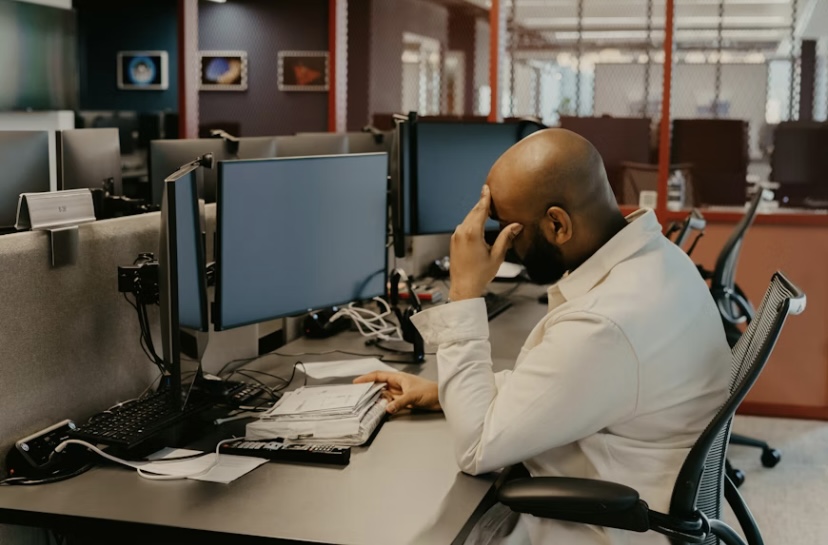
Phones are now part of daily life. The first thing many people do in the morning is check notifications before even getting out of bed. Throughout the day, there are messages, videos, emails, social media updates, and endless scrolling. After a while, too much screen time can start affecting sleep, focus, mood, and energy without being obvious at first.
Technology can be helpful, but the mind still needs quiet moments away from screens.
A digital detox does not mean deleting every app or staying offline forever. It simply means creating healthier limits with technology so the brain can rest and recharge.
If life has been feeling mentally heavy lately, these signs may mean it is time for a break from screens.
1. Checking Your Phone Happens Automatically
Opening your phone without a real reason can slowly become a habit.
Sometimes the phone gets unlocked, apps are opened, scrolling starts, and suddenly several minutes are gone without knowing why.
When screen time becomes automatic instead of intentional, the brain may be getting too used to constant stimulation.
Short breaks away from screens can help bring more attention back to real life.
2. Social Media Leaves You Feeling Mentally Tired
Social media can be entertaining, but spending too much time online can quietly affect emotions and confidence.
Constantly seeing highlight moments, success stories, and edited lifestyles may leave feelings like:
• Stress
• Insecurity
• Low motivation
• Emotional exhaustion
Online content rarely shows the full reality of life.
If scrolling often leaves a negative feeling afterward, it may be a sign that the mind needs more offline time.
3. The Mind Feels Overloaded
Notifications, videos, trending topics, emails, and nonstop updates can become mentally exhausting after a while.
Too much digital noise may lead to:
• Difficulty focusing
• Mental fatigue
• Feeling overstimulated
• Irritability
• Trouble relaxing
Quiet moments away from screens can help the mind slow down again.
4. Sleeping Has Become More Difficult
Late-night scrolling can easily turn into hours online without noticing.
Too much screen time before bed may keep the brain active when the body should be relaxing.
This may lead to:
• Difficulty falling asleep
• Staying awake too late
• Feeling tired in the morning
• Restless nights
Creating screen-free time before bed can help improve sleep habits.
5. Quiet Moments Feel Uncomfortable
Constant entertainment can make silence feel strange.
Reaching for a phone during small quiet moments like:
• Waiting in line
• Sitting alone
• Riding in the car
• Eating meals
may be a sign that the brain is becoming too dependent on digital stimulation.
Learning to enjoy calm moments again can help reduce stress and improve mental clarity.
6. Focusing Feels Harder Than Before
Short videos and nonstop scrolling can slowly affect concentration.
This may show up as:
• Losing focus quickly
• Jumping between apps
• Struggling to complete tasks
• Getting distracted easily
Too much fast-moving content can train the brain to constantly seek quick entertainment.
Taking breaks from screens may help improve focus over time.
7. More Time Is Spent Online Than Offline
Spending most free time on screens can create distance from real-world experiences.
Simple offline activities like:
• Walking outside
• Reading
• Cooking
• Exercising
• Spending time with loved ones
• Enjoying hobbies
can help create a healthier balance between online life and real life.
8. There Is Pressure to Always Reply Quickly
Notifications can create pressure to always stay available.
Messages, emails, and updates may start feeling overwhelming after a while.
But it is okay to:
• Reply later
• Turn off notifications
• Take breaks from the phone
• Spend quiet time offline
Rest is important too.
9. Screen-Free Time Almost Never Happens
If nearly every free moment includes a phone, television, laptop, or tablet, the brain may not be getting enough rest.
More offline time can help improve:
• Mental clarity
• Mood
• Focus
• Relaxation
• Sleep
Small breaks from screens can make a bigger difference than expected.
Why Digital Detox Habits Matter
Spending less time online can help the mind feel calmer and less overwhelmed.
Digital detox habits may help improve:
• Sleep quality
• Focus
• Stress levels
• Productivity
• Emotional balance
Technology should be useful, not mentally exhausting.
Creating healthier screen habits can help daily life feel more peaceful and balanced.
Easy Ways to Spend Less Time on Screens
Starting small is completely okay.
Simple changes may include:
• Keeping phones away during meals
• Turning off unnecessary notifications
• Spending time outdoors
• Avoiding screens before bed
• Taking short social media breaks
• Creating phone-free moments during the day
Small habits repeated daily can slowly create healthier routines.
Final Thoughts
Too much screen time can quietly affect focus, sleep, energy, and mental health over time.
Sometimes stepping away from the digital world for a while can help life feel calmer and less overwhelming again.
A digital detox does not need to be extreme. Even small breaks from screens can help the mind feel lighter, clearer, and more refreshed.
Taking care of mental peace is just as important as taking care of physical health.



No comments yet.